Mold thrives on Tampa’s gifts: warm Gulf air, heavy summer rain, and the occasional plumbing surprise that soaks drywall or subflooring. In homes and commercial spaces across Hillsborough County, that combination quietly feeds colonies behind baseboards and inside AC closets. When people call me about musty odors, sinus flare-ups that calm down when they leave the building, or stubborn spotting on bathroom grout that returns after bleaching, I start with a simple premise: you don’t have to choose between harsh chemicals and living with mold. Non-toxic strategies work here, even in Tampa’s damp months, if you match them with disciplined moisture control and proper containment.
This isn’t a pitch for scented sprays or miracle foggers. It’s a field-tested look at how to stop mold without coating your home in fumes, when to bring in licensed professionals, and what it takes to keep the problem from coming back.
Why non-toxic matters in a humid city
The health picture around mold is more nuanced than sensational headlines suggest. Most house molds are allergenic irritants. Some species, like Stachybotrys chartarum often labeled black mold, release mycotoxins under certain conditions, and susceptible people can have strong reactions. Chemical sensitivity adds another layer. I’ve met families where bleach, strong quaternary ammonium products, and high-VOC biocides worsened respiratory symptoms more than the mold ever did. In homes with infants, older adults, or pets that lick floors, harsh residues become a practical problem.
Non-toxic mold removal isn’t code for gentler-smelling versions of the same chemistry. It means choosing methods and agents that disrupt mold’s environment and structure without introducing respiratory irritants or persistent toxins. On the Gulf Coast, that approach aligns with another reality: unless you manage water and humidity, any kill-step is temporary. A safe solution that pairs with long-term moisture control is the only solution that holds up through late summer.
Mold in Tampa behaves differently than mold in drier markets
I can often guess the problem area by the neighborhood’s building age and construction type. Post-2000 homes with tight envelopes and robust insulation often grow hidden mold in AC closets, around air handlers, and on the back side of closet drywall. Pre-1990 block homes tend to show trouble along sill plates, in basements or converted garages, and under old single-hung windows. Crawl space moisture from a high water table telegraphs up into buckled flooring and cupped baseboards.
A few Tampa-specific patterns recur:
- Wind-driven rain works under stucco cracks and window flashings during storms. After the rain stops, sun loads the wall and drives moisture inward toward the drywall, not outward. That trapped moisture keeps wall cavities humid for days. HVAC systems run almost year round, yet many are oversized. Short cycles cool the air but remove less moisture, so indoor relative humidity hovers in the 60s. That is mold’s comfort zone. Plumbing in slab houses often fails where you can’t see it. A pinhole in a copper line under the kitchen can wick into baseboards for weeks before anyone notices. After a flood or roof leak, DIY drying with box fans rarely reaches within wall cavities. The outer surface feels dry while the paper facer on the back of the drywall remains damp.
Recognizing these patterns helps set expectations. Non-toxic treatments only succeed when the moisture pattern gets fixed first.
What “non-toxic” actually looks like in practice
Safe and effective mold remediation in Tampa combines three moves: stop moisture, remove contamination, and condition the space so mold stays dormant. The safest versions of each move rely on physics, not chemistry, backed by targeted products with low toxicity.
Moisture control comes first. If a roof leak is active, the smartest HEPA vacuum on the planet won’t help. In a typical call for water damage mold removal in Tampa, I start with leak detection, thermal imaging, and pin-type moisture readings. If we find water intrusion, we fix it, then dry the assemblies with balanced dehumidification and air movement. In the summer, that usually means rental-grade LGR dehumidifiers coupled with directed airflow, and careful monitoring to avoid over-drying framing while still bringing gypsum below 16 percent moisture content. On multi-day projects, we log grain depression and RH each morning and evening. Data, not guesswork.
Source removal beats chemical kill. Sprays that promise to “encapsulate” or “eradicate” mold skip the point. If drywall paper is colonized, we cut it out. If MDF baseboards show swelling, they go. Solid wood with light growth cleans and can be saved. The workhorse tools are simple: HEPA vacuums rated for remediation, soft bristle brushes, and microfiber wiping with a mild, non-corrosive cleaner. In attics and crawl spaces, soda blasting or dry ice blasting removes growth from joists without saturating wood. Those methods generate less chemical residue and leave a clean surface for borate treatment. For attic mold removal and crawl space mold removal around Tampa Bay, abrasives plus airflow often outperform any spray-only approach.
Biocides are not one-size-fits-all. For non-toxic mold removal Tampa clients ask for, my short list includes hydrogen peroxide products in the 3 to 8 percent range for disinfection on non-porous surfaces, botanical cleaners with thyme oil or other essential-oil actives for light-duty work, and borate-based preservatives on cleaned wood. Peroxide breaks down to water and oxygen, though it still deserves proper PPE and ventilation. Borates penetrate wood fibers and make them less appetizing to mold, without volatile off-gassing. None of these replace containment and HEPA filtration, and none fix a humidity problem. They are supportive tools, not the foundation.
Encapsulation only after thorough removal. Water-based, low-VOC sealers can lock in staining and reduce particulate shedding from exposed framing after cleaning. They do not belong on damp wood or over visible growth. If I see a glossy white shell over fuzzy studs, that is a redo, not a finish line.
How professionals keep occupants safe
People often picture remediation as a fog of chemicals. In a well-run project, the air gets cleaner as work progresses. Containment with negative pressure, HEPA filtration, and controlled workflow protects the rest of the home better than any fragrance.
A typical residential mold removal Tampa job unfolds like this. We isolate the work zone with poly sheeting and zipper doors, then establish negative pressure using an air scrubber with a HEPA filter exhausting outside or through a window panel. Technicians suit in respirators and protective clothing. Non-salvageable materials come out bagged before they cross containment. Remaining surfaces get HEPA vacuumed, then damp-wiped with a non-toxic cleaner, and vacuumed again after drying. Air scrubbers keep running throughout. If wood needed abrasive cleaning, that step happens between the two vacuum passes to capture dislodged spores.
Commercial projects add logistics. For commercial mold remediation Tampa managers often need off-hours schedules and staged containment to keep parts of a building open. Mechanical rooms with AHUs require careful isolation so we do not blow debris into supply trunks. Restroom chases and elevator pits need confined space protocols. The same non-toxic mind-set applies, but the planning is more granular.
When people ask how to find a reputable mold remediation company Tampa wide, I suggest two screens before you ever talk price: do they prioritize source removal and moisture correction over chemicals, and can they explain their containment plan in plain English. If they lead with “stronger chemicals” instead of “drier building,” keep looking.
The role of testing and inspection
A good mold inspection in Tampa mixes instruments and building science. Moisture meters catch wet spots; infrared cameras find anomalies, but they require interpretation because cool conditioned air can mimic a cold damp area on camera. Hygrometers report ambient RH and dew point. A borescope helps check inside wall cavities through a small hole behind baseboards or switch plates.
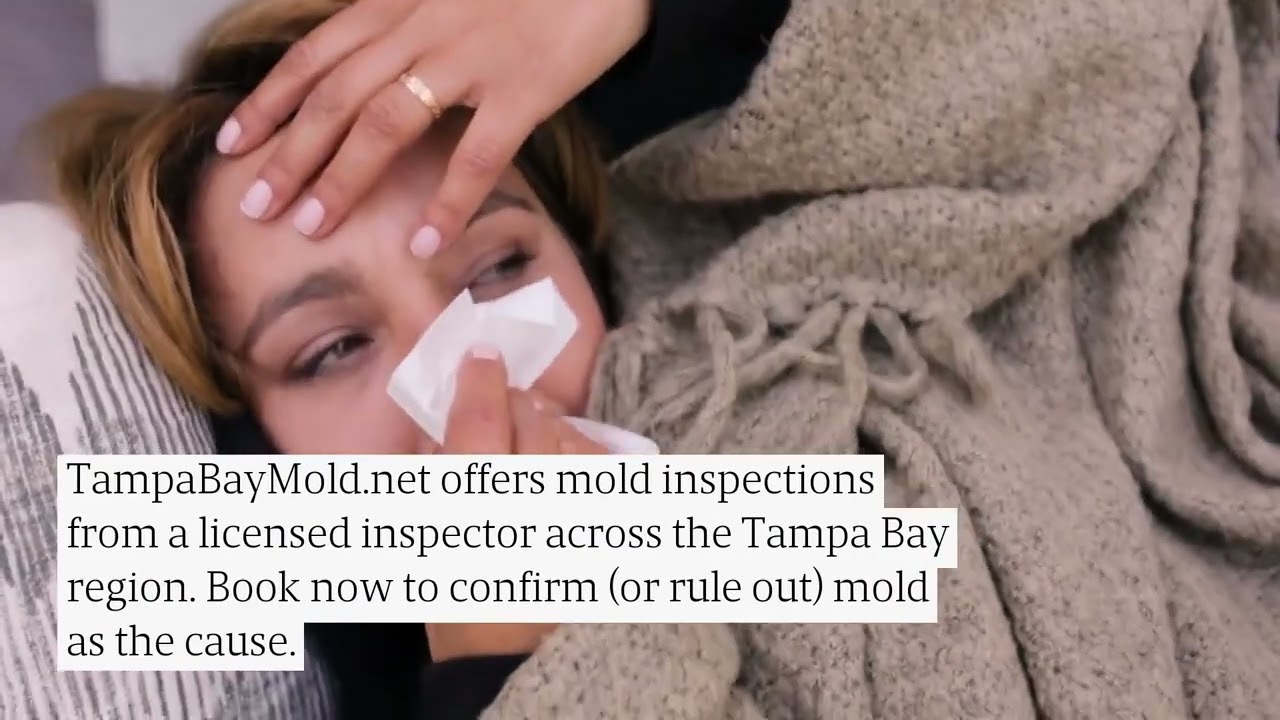
Air sampling and surface sampling can help, but they are not the starting point. I use mold testing Tampa clients request for three reasons: to establish a baseline when a landlord and tenant dispute conditions, to confirm clearance after large remediation, or to investigate health concerns with unclear sources. Air samples inside and outside compare spore types and counts. Surface tape lifts identify what is actually growing on a stained area. Results mean little without context, especially in our pollen-heavy spring. A certified mold removal Tampa specialist should frame testing as a decision tool, not a sales driver.
Black mold and other red flags
“Black mold” became a catchall for anything dark. I see Cladosporium on window sashes, Alternaria on shower caulk, and Stachybotrys where paper stayed wet. Color is not a diagnosis. That said, black, slimy patches on drywall near a long-standing leak deserve prompt containment. The material breaks down quickly and releases fragments in addition to spores. In one South Tampa rental, a small roof leak over a closet became a shoulder-high patch of Stachybotrys behind hanging clothes within six weeks of daily summer thunderstorms. The non-toxic path there was decisive: remove the affected drywall and insulation under containment, dry framing to target, HEPA-clean surrounding surfaces, and treat framing with borate before close-up. No need for chlorine bleach, which would have gassed out in a tight closet and done little to soaked paper facer.
If you suspect black mold removal Tampa services are needed, error on the side of professional help when the area is larger than a few square feet, involves HVAC components, or sits behind built-ins where demolition dust would spread widely.
Where homeowners can DIY safely
Not every mold situation requires a crew. Modest surface growth on non-porous materials, like a bathroom ceiling that occasionally peels, can be manageable with diligence.
Here is a concise, non-toxic approach that fits small, non-structural problems:
- Fix the moisture source before cleaning, whether that means longer ventilation fan run times, a stronger bath fan, or resealing a small plumbing leak. Set up basic containment by closing doors, laying a damp towel under the door gap, and opening a window to create slight exhaust while you work. HEPA vacuum the area with a brush attachment to capture loose spores, then damp-wipe with a mild peroxide-based cleaner. Avoid saturating drywall. Dry the area thoroughly with conditioned air and a fan, then repaint with a quality primer and finish after moisture reads normal. Monitor RH with a simple hygrometer for two weeks. Aim for indoor RH near 45 to 50 percent.
Know your limits. If you see persistent moisture on a hygrometer, materials that feel spongy, or musty odors through AC vents, that moves into mold remediation services Tampa professionals should handle.
Attics, basements, and crawls in the Tampa climate
Attics in our region show classic ghosting patterns on the north side of roof decking when bath fans dump into the attic or when baffles are missing and insulation chokes soffits. Attic mold removal Tampa technicians favor dry ice blasting for broad sheathing coverage, especially when staining is heavy but the wood is structurally sound. After blasting, a borate treatment helps suppress regrowth. Often the most important move is correcting ventilation and air sealing: connect bath fans to proper roof caps, install baffles to keep air pathways clear, and seal attic penetrations so conditioned air does not condense on cold decking during unusual weather swings.
Technically, Tampa homes do not have true basements as often as northern houses, but many have semi-below-grade spaces, split-level storage rooms, or retrofitted living areas where the block meets soil. Basement mold removal Tampa calls often start with exterior drainage grading and downspout redirection. Inside, a dehumidifier sized to the square footage and leakage rate matters more than brand, and the drain configuration must avoid standing water in condensate pans. For walls, avoid impermeable interior coatings that trap humidity within block. A lime-based mineral paint allows the wall to breathe after you have addressed exterior water management.
Crawl spaces are a different beast. High water tables and leaky ducts create a persistent wet microclimate. Crawl space mold removal Tampa strategies that last almost always include ground vapor barriers sealed up posts, mechanical drying whether through supply air or a dedicated dehumidifier, and attentive drainage outside the foundation. Non-toxic cleaning here favors HEPA vacuuming and borate treatment after physical removal. Spraying strong fungicides into a vented, damp crawl is treating the symptom and ignoring the cause.
When emergencies strike
If a supply line bursts at 2 a.m., every hour counts. Emergency mold removal Tampa marketing sometimes suggests immediate demolition, but the first two steps are always the same: stop the water, then begin controlled drying. If you act within 24 to 48 hours and keep materials below amplification thresholds, you often avoid mold growth altogether. Pull baseboards to allow air movement along sill plates. Lift wet carpet and dispose of saturated pads if they smell musty or delaminate. Run dehumidifiers and fans in a pattern that moves dry air across wet surfaces, not just blasts air randomly. If walls are saturated a foot high or more, a flood cut around 12 to 18 inches above the wet line speeds drying and reduces hidden growth. Call a licensed mold remediation Tampa provider if moisture readings stay high into day three or if odors intensify.
Picking the right partner without inhaling sales pitches
The difference between a solid tampa mold remediation outcome and a revolving-door headache often lies in the first fifteen minutes of a site visit. Listen for how a representative talks about your building. Are they interested in your AC run times, humidity numbers, and recent leaks, or do they jump to square footage and package prices. Ask for their plan in plain terms: how they will contain, what they will remove, which non-toxic agents they plan to use and why, how they will dry, and what success looks like at the end.
Finding a mold removal company Tampa residents can trust does not require a diploma in microbiology. It does require checking for a license where applicable, relevant insurance, and training credentials from recognized bodies. Look for experience with both residential mold removal Tampa projects and commercial mold remediation Tampa jobs if your property has mixed uses or complex systems. Local mold experts Tampa based will understand nuances like summer dew points, common roof assemblies, and how our building codes affect ventilation.
For homeowners searching mold removal near me Tampa and feeling overwhelmed by ads, start with three quotes, not ten. Too many estimates blur the line between substance and show. Favor providers who measure, document, and explain. If they offer mold inspection Tampa services, ask whether the same company will perform the remediation. Some clients prefer independent mold testing Tampa firms to verify results. Either approach can work if you vet both sides.
HVAC and filtration make or break long-term success
I see more avoidable mold problems in duct systems than anywhere else. Return leaks in closets and attics pull dusty, humid air into the system, then distribute it throughout the house. Wet coils and dirty drain pans become growth spots. Even with a perfect remediation, a contaminated air handler can re-seed rooms.
The low-toxicity path focuses on cleaning and airflow, not perfuming the system. A complete service includes sealing return leaks, replacing or washing filters at the correct MERV for your blower, cleaning the coil and pan with non-corrosive coil cleaners, and treating the pan with a non-VOC additive if needed. If duct liners are moldy or fiberglass is shedding, replacement beats chemical coatings. After remediation, upgrading ventilation strategies https://dominickabvo622.theburnward.com/local-certified-mold-removal-company-tampa-trusted-pros matters. That might mean adjusting thermostat settings for longer, slower AC cycles that remove more moisture, adding a whole-house dehumidifier, or installing an energy recovery ventilator to bring in fresh air without loading the home with humidity.
Preventing the comeback
Non-toxic tampas mold specialists earn their keep not by the number of gallons sprayed, but by how rarely a client needs them twice. In the months after a project, I encourage clients to run simple routines.
- Keep indoor relative humidity in the 40 to 50 percent range. Monitor with two or three hygrometers in different rooms. If you routinely hit the upper 50s in summer, size or settings may be off. Use bath and kitchen ventilation beyond the obvious. Run bath fans ten minutes after showers, and confirm they exhaust outside. Boiling a large pot can spike RH fast in a tight kitchen. Walk your envelope after storms. Look for fresh stains under windows, damp spots near baseboards, and soft drywall at exterior corners. Small catches prevent large projects. Maintain gutters and downspouts, and extend discharge several feet from the foundation. In heavy summer storms, splashback saturates lower walls that look fine on a sunny day. Service HVAC twice a year, including drain line clearing. A clogged condensate line can overflow into wall cavities silently for weeks.
These efforts pair with any cleanup, whether you handled a small area yourself or brought in a licensed mold remediation Tampa team after a roof failure.
Special considerations for sensitive occupants
For clients managing asthma, allergies, or chemical sensitivities, the work plan shifts in subtle ways. We schedule the most disruptive steps when occupants can be away. We select low-odor products, test any botanical cleaner on a small patch to rule out scent reactions, and avoid solvent-based sealers unless no alternative exists. HEPA scrubbers stay on longer after completion, sometimes with carbon prefilters to absorb residual odors. If someone is highly reactive, we coordinate with their clinician’s recommendations and consider third-party clearance testing for reassurance. None of this slows the project when planned up front, and it prevents avoidable discomfort.
Costs, timelines, and what’s reasonable to expect
People want numbers. The truth is, mold cleanup Tampa projects range widely. A simple bathroom ceiling cleanup with light staining and improved ventilation might be a few hundred dollars and finished in a morning. A mid-size wall cavity remediation after a window leak, with containment, removal of 60 to 100 square feet of drywall, drying, cleaning, and rebuild coordination, can fall in the low thousands. Large-scale water damage mold removal Tampa cases after a multi-room pipe break can climb into five figures, particularly if flooring, cabinetry, and duct cleaning are involved.
Timelines mirror scope. Small residential areas close out within one to three days, plus painting. Commercial spaces with multiple zones might phase over one to three weeks to maintain operations. Quality vendors share daily updates, moisture logs, and photos. At the end, expect documentation of what was removed, where it was removed from, the products used, drying targets achieved, and, if agreed, post-remediation verification data.
A final word on choices that respect your air
Mold problems test patience because they mix biology, physics, and lifestyle. The shortcuts usually reveal themselves in two ways: a scent that returns after a week, or a recurring patch at the same seam. Non-toxic methods earn their reputation the slower way. Contain, remove, dry, and condition. Choose agents that help without leaving a trail. Align the building to shed water, not store it.
Whether you are a property manager juggling commercial mold remediation Tampa timelines, a homeowner googling mold removal near me Tampa at midnight, or a builder trying to keep attics clean through the rainy season, the safest answer is also the most durable. Keep moisture under control, favor physical removal and HEPA filtration, and reserve chemicals for targeted roles. It is not glamorous, but it keeps the air you breathe honest.