Tampa rewards you with sunshine, sea breezes, and long growing seasons. It also hands you humidity, summer storms, and the kind of moisture loads that mold loves. In a climate like this, mold is not a rare event, it is a maintenance reality. The smartest move isn’t waiting for odors and stains. It is getting ahead of subtle signs with a solid mold inspection, then acting with precision so problems never get a foothold.
I have crawled more Tampa attics and squeezed into more condo AC closets than I care to count. The pattern repeats: a small roof leak that dries slowly, an AC drain line backing up during peak cooling season, a poorly sealed shower niche, or a forgotten box of damp moving blankets in the garage. Weeks later, a musty note appears in the air. By the time a dark spot blooms on drywall, the growth behind it has often spread two or three times wider than what you see. That is why inspection and targeted mold testing, done by people who understand our building stock and weather, save money and disruption.
How Tampa’s Climate Fuels Mold
Mold doesn’t need flooding to colonize. Give it three things and it thrives: moisture, a food source, and the right temperature. Greater Tampa Bay supplies all three on a near daily basis.
Moisture is the easy one. From June through September, dew points routinely sit in the mid to high 70s. That means indoor surfaces are constantly flirting with condensation if the air conditioning system is not balanced. Add in afternoon thunderstorms, tropical systems that push rain under eaves, and the occasional plumbing hiccup. Even a “quick” spill wicked into carpet can stay damp for 48 hours, enough time for mold to start.
Food sources are everywhere. Drywall paper, wood framing, HVAC duct liners, carpet padding, cardboard storage boxes, even dust and skin cells. Temperatures from 68 to 86 degrees are ideal for many species, which matches typical interior conditions. Put that together and you see why mold removal Tampa projects spike in late summer and fall, long after the first storms have passed.
What a Proper Mold Inspection Looks Like
“Mold inspection Tampa” gets tossed around loosely, but thorough work follows a method. A good inspector arrives as a detective, not a demolition crew. The goal is to map moisture, confirm or rule out hidden growth, identify causes, and define the scope for safe remediation. Whether you’re calling for residential mold removal Tampa or commercial mold remediation Tampa, the fundamentals don’t change.
The visit starts with a short interview. When did you first notice odor or symptoms? Any recent leaks, AC service, or roof work? Which rooms feel muggy or show condensation on windows? These details guide the search.
From there, the inspector surveys exterior drainage, rooflines near suspected areas, and any cladding penetrations. Inside, they move slowly and deliberately. A moisture meter checks baseboards, window sills, cabinet toe kicks, and drywall around plumbing. An infrared camera can pinpoint cool, wet sections behind paint. In attics, look for darkened sheathing near ridge vents or bath fan penetrations. In crawl spaces, I look for staining on joists, efflorescence on masonry, and vinyl ductwork sweating onto insulation.
If visible mold is present, sampling isn’t always necessary. Tampa mold remediation companies often skip testing when the cause is obvious and the growth is clearly documented. Mold testing Tampa makes the most sense when the source is unclear, when occupants report symptoms without visible growth, or when you need clearance data for sensitive environments like daycares, clinics, or restaurant kitchens. Common approaches include surface swabs or tape lifts to identify species on materials, air sampling indoors and outdoors for comparison, and cavity air checks by inserting a tube through a tiny hole in drywall.
Quality control touches matter. A reliable inspector uses calibrated instruments, labels samples with time and location, and explains limitations. For example, air sampling captures a snapshot, not a total history. Mold can be present but not airborne at the time of sampling, especially after heavy cleaning or with the HVAC off. A seasoned pro interprets numbers in context: building history, moisture readings, visible indicators, and occupant complaints.
Where Mold Hides in Tampa Homes and Businesses
After years in the field, I keep returning to the same high-risk zones. Attic mold removal Tampa often ties to insufficient ventilation or bathroom fans that dump moist air into the attic instead of outside. Even a small gap in a vent hose can fog an attic over months. Dark staining on the north-facing roof sheathing can mimic mold, but a quick swab and moisture check separate dirt from growth.
Basement mold removal Tampa comes up less often here since true basements are rare, but we do see lower-level and split-grade spaces in older homes and certain neighborhoods. There the culprits are poor perimeter drainage and air that lingers cool and damp after storms. Dehumidification and sealing slab cracks can turn the tide.
Crawl space mold removal Tampa is common in older bungalows and some coastal properties. Unconditioned crawl spaces in humid zones absorb moisture like a sponge. If the soil is bare and vents pull in hot wet air, joists can climb above 18 percent moisture and stay there. Encapsulation with a proper vapor barrier, sealed vents, conditioned supply air, and a dehumidifier often solves the root problem.
Bathrooms and laundry rooms are small but potent. A slow drip at a P-trap, a shower curb that wasn’t properly waterproofed, or a washing machine supply line that sweats can prime drywall and framing. Kitchens hide trouble behind fridge supply lines and under sinks where pinhole leaks dampen the cabinet base.
HVAC closets deserve extra attention. I see more microbial growth near air handlers than almost anywhere else. A clogged condensate line backs up into the pan, insulation inside the closet wicks water, and return air leaks pull damp attic air into the system. When you hear “toxic mold removal Tampa,” it often traces back to long-term HVAC moisture issues, not a dramatic flood.
Finally, storage zones. Garages with cardboard boxes pressed against exterior walls, sheds with poor airflow, and under-stair closets loaded with textiles. If you smell that classic “old book” odor when you open a door, you likely have slow, diffuse moisture and a microclimate that needs ventilation and sometimes targeted mold cleanup Tampa.
Health, Liability, and When to Call Fast
The spectrum of health responses to mold runs wide. Some people feel nothing. Others report sinus issues, coughing, headaches, or skin irritation. People with asthma, severe allergies, or compromised immunity deserve special caution. Black mold removal Tampa draws attention for Stachybotrys chartarum and a handful of other dark species that prefer very wet cellulose. The pigment itself isn’t the hazard, but long damp conditions that support those species usually correlate with higher spore counts and fragments. That is why emergency mold removal Tampa can be justified when a major leak or sewage backflow hits drywall and cabinets. Quick extraction, containment, and removal prevent a long tail of problems.
Commercial buildings carry different risks. If employees complain about odors, damp carpets, or recurring respiratory symptoms, management has a duty to investigate. Documenting a professional mold inspection Tampa, followed by corrective action, reduces liability. For restaurants and food prep spaces, moisture control is more than a comfort issue. Spores and fragments can travel through return air to sensitive zones.
What It Costs to Wait
In Tampa, time is not neutral. With average indoor conditions, mold can show measurable growth in as little as 24 to 48 hours on wet surfaces. If you wait two weeks on a slow leak under a vanity, expect to replace more drywall, cut higher to find the limit of wicking, and spend extra time on cleaning and HEPA vacuuming. I have watched a $450 focused repair turn into a $2,800 multi-room project after one more weekend of inaction. Water damage mold removal Tampa is always less expensive and more contained when caught early.
Choosing the Right Help
Homeowners and property managers often ask whether to hire a mold removal company Tampa or general contractor. The difference shows up in process. A licensed mold remediation Tampa provider works under a defined standard of care: proper containment, negative air pressure, HEPA filtration, controlled demolition, cleaning with verified capture methods, and post-remediation verification. A contractor may repair the cause and replace materials, but without containment and cleaning, spores and fragments land on contents and spread the problem.
If you look for mold remediation services Tampa, verify licensure and insurance. Florida requires Mold Assessor and Mold Remediator licenses for work beyond minimal cleaning. A licensed mold remediation Tampa contractor should provide their license number on proposals. “Certified mold removal Tampa” usually refers to additional training and exams from reputable bodies. Ask about experience with your building type. Mid-rise condos with chilled water systems and tight construction behave differently than 1950s ranch houses with vented attics.
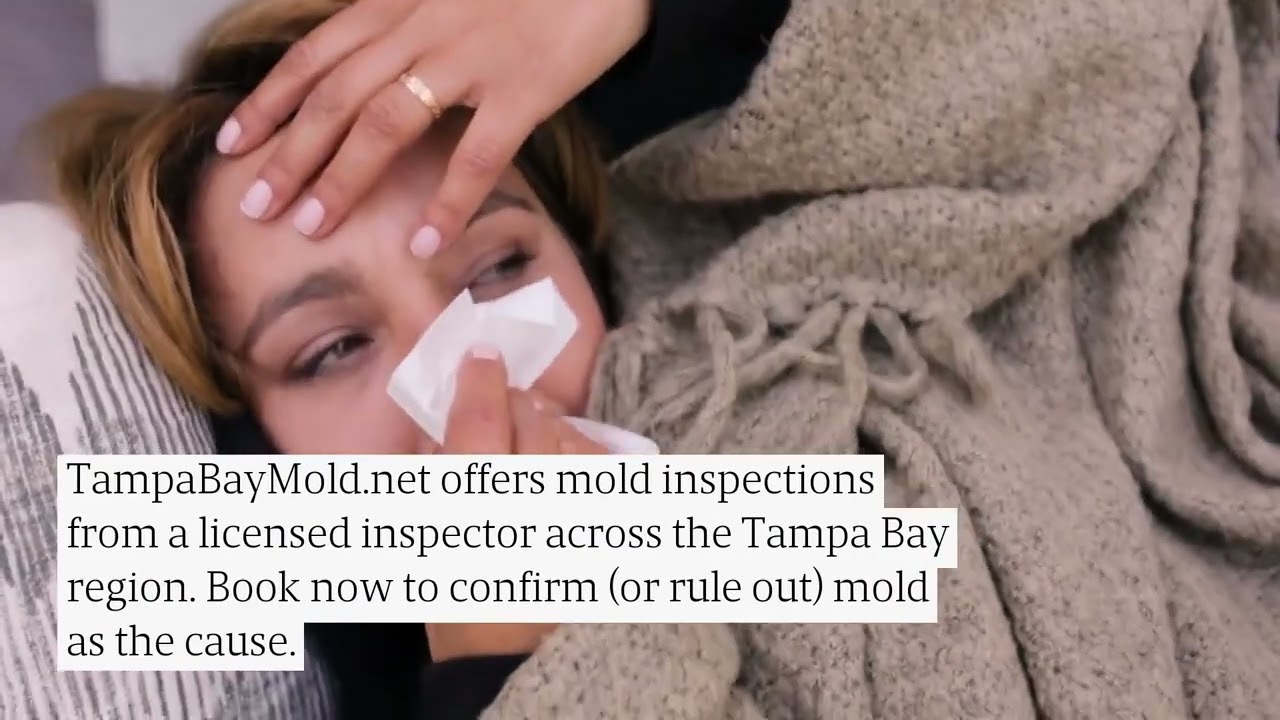
Local mold experts Tampa know our weather cycles and can recognize storm-related patterns. A Tampa mold remediation company has likely worked after named storms, sees AC performance trends in summer, and can give practical advice on humidity control that fits local utility rates and building codes. If you search “mold removal near me Tampa,” filter for firms that do both assessment and remediation carefully. In Florida, the same company generally should not perform both for the same project to avoid conflicts of interest, unless an exception applies. Many clients hire an independent assessor, then a separate remediator.
Inside a Well-Run Remediation
Containment comes first. Technicians isolate the affected room with plastic walls, seal vents, and establish negative pressure with a HEPA-filtered air scrubber that exhausts outside or through a window. This prevents cross-contamination. Porous materials that are visibly colonized or water damaged beyond 24 to 48 hours usually get removed. That means cutting drywall at least 12 inches above visible staining, sometimes higher if a moisture meter finds wicking. Non-porous surfaces are cleaned with detergent, not just sprayed with a biocide and left. A good team follows a clean first, disinfect second philosophy, since physical removal of residues matters more than chemicals.
Air scrubbing and HEPA vacuuming target both spores and fragments. Many people focus on spores, but hyphal fragments and mycotoxin-laden dust can carry particle sizes smaller than a human hair by an order of magnitude. That is why detailed cleaning and multiple passes make a difference. After demolition and cleaning, the team dries the area thoroughly. For water damage mold removal Tampa, this step is critical. You don’t close up walls until wood framing measures under typical targets, often near 12 to 15 percent moisture for dimensional lumber in our climate.
Post-remediation verification can be visual by an independent assessor, with optional air or surface tests to confirm that levels match or beat outdoor controls. In sensitive situations or when previous attempts failed, testing helps everyone sleep better.
Special Cases: Attics, Crawl Spaces, and HVAC
Attics in Tampa live a hard life. Solar gain in July can crank roof deck temperatures well over 120 degrees. If soffit or ridge venting is blocked by insulation or bird nests, or if bathroom fans terminate into the attic, you see patchy growth that flares after rainy weeks. Attic mold removal Tampa often involves dry cleaning methods, controlled HEPA vacuuming, and sometimes applying a protective coating after cleaning. But the fix only sticks if ventilation improves and bathroom fans vent outside with sealed ductwork. I have seen perfect cleanups undone within a year because duct joints split and started dumping shower steam into the attic again.
Crawl spaces need a systems approach. Encapsulation is not just laying plastic on the dirt. It is sealing seams, turning up the liner onto piers and walls, insulating the perimeter appropriately, and providing conditioned air or a dedicated dehumidifier sized to the volume. Crawl space mold removal Tampa without moisture control is a temporary reset at best.
HVAC issues deserve blunt talk. If your return plenum leaks, it pulls in hot, wet attic air that condenses on the coil and drains more than it should. If the condensate line lacks a proper trap or cleanout, algae blocks flow at the worst time. An AC that short cycles because it is oversized might bring the temperature down but leaves humidity high. Pairing remediation with an AC tune-up pays off. Ask Tampa mold specialists to coordinate with your HVAC techs. When both teams speak, projects succeed.
When Testing Adds Value
Mold testing Tampa can answer good questions and distract from better ones. Use it when you need to compare indoor to outdoor conditions, when a landlord-tenant dispute demands documentation, or when a medically sensitive occupant needs additional assurance. Do not lean on test results to ignore obvious moisture control. If a test reports elevated Aspergillus or Penicillium indoors compared to outdoors, suspect a slow, diffuse moisture source, sometimes HVAC related. If Stachybotrys shows up in a swab behind a baseboard after a dishwasher leak, the remediation path is clear even without air tests.
A caution about do-it-yourself kits: they often culture whatever lands on a plate, which proves only that spores exist. Spores are everywhere. What matters is whether levels are elevated indoors due to growth and whether building materials are wet. If you want data, hire a third-party assessor familiar with Tampa’s seasonal spore patterns.
Prevention that Works in Tampa’s Real Conditions
Telling people to “keep things dry” is not helpful when you live by the bay. The practical version is specific and repeatable.
- Maintain consistent indoor humidity between roughly 45 and 55 percent with your AC properly sized and serviced, and add a whole-home or standalone dehumidifier if you struggle to hold the line in July and August. Service the HVAC condensate line at least twice a year, add a cleanout, and install a float switch that shuts the system off if the pan fills. Use bathroom and kitchen exhaust fans every time you cook or shower, and let them run 15 to 20 minutes after you finish. Confirm they vent outside, not into an attic or soffit cavity. Mind drainage, from downspouts that discharge at least 5 to 6 feet away to soil graded to shed water. A weekend with a shovel and extensions prevents many wall base nightmares. Store cardboard off concrete floors, declutter under sinks, and check for dampness after big storms or long vacations when AC may have been set higher.
These are not glamorous tasks. They prevent phone calls to mold remediation services Tampa in the first place.
Residential vs. Commercial Realities
Residential projects have intimacy, people’s possessions, pets, and lives braided into the work. You protect furnishings with careful containment and negative air that routes out a window. You schedule around nap times and remote work. Residential mold removal Tampa usually targets smaller zones but with more custom cleaning and communication.
Commercial mold remediation Tampa plays out on a larger stage. Think open office ceilings with duct liner growth, hotel PTAC units dripping into wall cavities, or retail back rooms with roof leaks. Speed matters because downtime costs money. Night shifts, phasing, and coordination with property management are the norm. Regulatory frameworks and documentation stack higher: safety plans, air change logs, and clearance criteria spelled out before the first cut. A good mold remediation company Tampa adjusts tools and crew size to match the footprint without sacrificing controls.
Insurance, Budgets, and Honest Scopes
Insurance coverage for mold in Florida varies. Sudden and accidental water damage is often covered, but mold that appears from maintenance neglect may not be. Document everything: dates of storms, https://juliuskxnn702.trexgame.net/emergency-mold-removal-tampa-24-7-rapid-response photos of leaks, service calls. If you need to move fast, prioritize stopping the source and stabilizing the environment. That typically means fixing plumbing or roof issues, extracting water, setting up drying, and building containment. Once stable, you can negotiate with adjusters about the rest.
Beware of scopes that rely on fogging alone. Atomizing biocides without cleaning and removal does not solve a source problem and may add unnecessary chemicals to your living space. On the other hand, a surgical scope that limits demolition to what is wet and dirty, backed by clear moisture readings, often saves you both money and time. Tampa mold removal that respects building science beats dramatic overhauls dressed up as silver bullets.
What a Good Timeline Looks Like
From the first call, a responsive team can usually schedule an inspection within 24 to 72 hours, faster after major storms when emergency mold removal Tampa is in play. If moisture is active, immediate steps like extraction and dehumidification begin the same day. For small to mid-size interior projects, remediation runs two to five days. Attic or crawl space projects may take longer, especially when coupled with ventilation or encapsulation upgrades. Post-remediation verification often happens within a day of completion. Build in extra time for cabinets, custom trim, or specialty finishes.

Local Knowledge Beats Generic Advice
Tampa’s building stock tells a story. Mid-century ranch homes with raised heel trusses handle attic airflow differently than 2000s tract homes with packed blown insulation. Stucco over frame, common here, can trap moisture at window heads after years of caulk failure. Tile roofs shed water well but can push wind-driven rain under underlayment during tropical storms. Experienced Tampa mold specialists notice these nuances at a glance and factor them into both the inspection and the fix.
If you are working with a mold removal services Tampa provider who takes the time to trace moisture paths, coordinate with HVAC techs, and show you readings rather than just stains, you are in good hands. If they can describe why your north-facing rooms tend to stay cooler and hit dew point sooner on summer mornings, even better. Local patterns are not trivia, they are the difference between a patch and a solution.
A Brief Case from the Field
A South Tampa bungalow, two bedrooms, one bath, reported a lingering musty odor that worsened after showers. Visible mold around the vanity toe kick suggested a leak, but moisture readings at the baseboard were low. Infrared imaging showed a cool band on the wall behind the mirror. We found the bath fan duct had slipped loose in the attic, dumping steam under the roof deck. The AC return in the hallway, a few feet away, was pulling that humid air back into the living space. The vanity toe kick had collected incidental dampness and dust, explaining the small patch of visible growth.
Scope: reattach and seal the bath fan duct to the roof cap, add a mechanical damper, seal a gap at the return plenum, clean and HEPA vacuum the vanity base, remove and replace a 2-foot section of baseboard with light staining, and run a dehumidifier to pull the indoor RH back to the mid 40s for two days. No need for heavy demolition. Cost stayed under a thousand dollars. If the homeowner had chased only the vanity, the attic moisture problem would have continued and the odor returned within weeks. That is the difference an integrated mold inspection Tampa brings.
When to DIY and When to Step Back
Wiping a small patch of surface mold off tile grout or sealed shower glass is a housekeeping task. Replacing a wet baseboard after a spill you dried within hours is within reach for many. If you see or smell mold, and the affected area is larger than about 10 square feet, or if wall cavities or mechanicals are involved, call in professionals. Once you need containment, negative air, and clearance criteria, a licensed team earns its fee. They also keep you from spreading contamination to the rest of the home with well-meaning but risky cleaning.
The Takeaway for Tampa Property Owners
Moisture control and early detection drive everything. Get a foundational mold inspection when you first notice musty odors, condensation, or after any leak longer than a few hours. Lean on local expertise from a mold removal company Tampa that understands our humidity, building types, and HVAC realities. If you need testing, use it to answer specific questions, not to postpone obvious fixes. For serious projects, insist on a licensed mold remediation Tampa provider who sets containment, documents moisture, cleans with verified methods, and confirms results.

Mold will always try to make a home in Tampa. With timely inspection, informed decisions, and disciplined follow-through, it does not have to make a home in yours.